
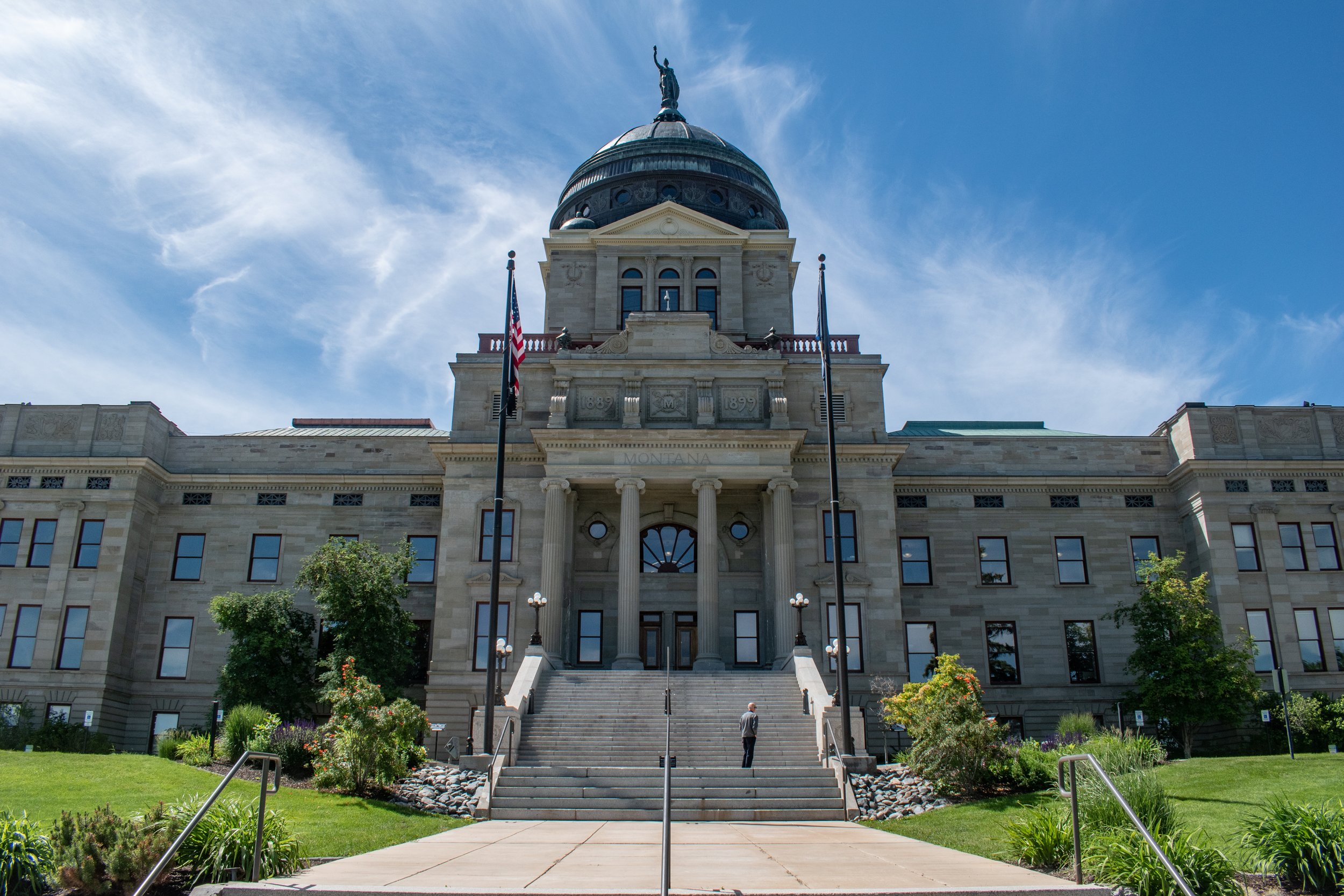
States Rush to Meet Rural Health Transformation Program Reporting Requirements
The Rural Health Transformation Program allocates $10 billion annually through 2030, with CMS distributing funds to states based on rural population and facility needs. States awarded over 450 grants and must submit progress reports and Year 2 plans by August 31. By October 31, states must expend their full allocations ($147-$282 million each) or risk recoupment and reduced future funding.
State Health Policy Action We’re Watching in July 2026
State health policymakers advanced drug cost and Medicaid reforms this month. Colorado received FDA authorization to import prescription drugs from Canada, projecting $46 million in savings over three years. Indiana partnered with CMS to deploy AI for pre-payment Medicaid fraud detection. Iowa auditors found PBMs collected $100 million through clawback arrangements from 2019-2021. North Carolina repealed certificate-of-need laws for rehabilitation facilities, while Tennessee's pharmacy-PBM separation law faces multiple constitutional challenges.
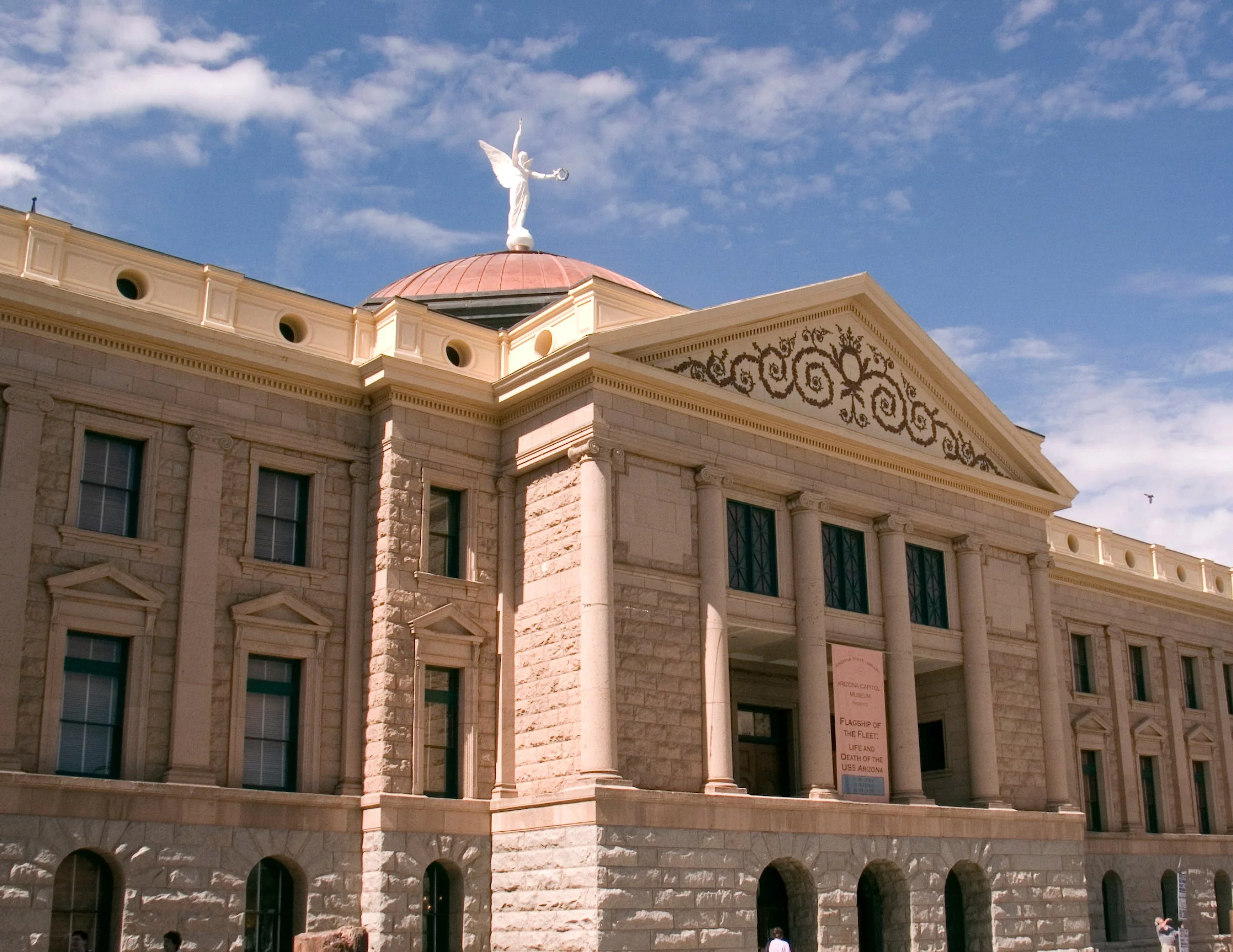
State Health Policy Action We’re Watching in June 2026
Five states enacted significant healthcare legislation during spring 2026 sessions. Arizona launched AI-powered Medicaid fraud detection, while Iowa banned insurers from using AI to deny prior authorizations under HF 2635. Missouri's comprehensive HB 2372 awaits gubernatorial approval, expanding Medicaid coverage and hospital transparency requirements. Maryland's Prescription Drug Affordability Board capped Ozempic payments at Medicare rates for state plans. Connecticut's budget bill (SB 1) overhauled Certificate of Need requirements for hospitals.
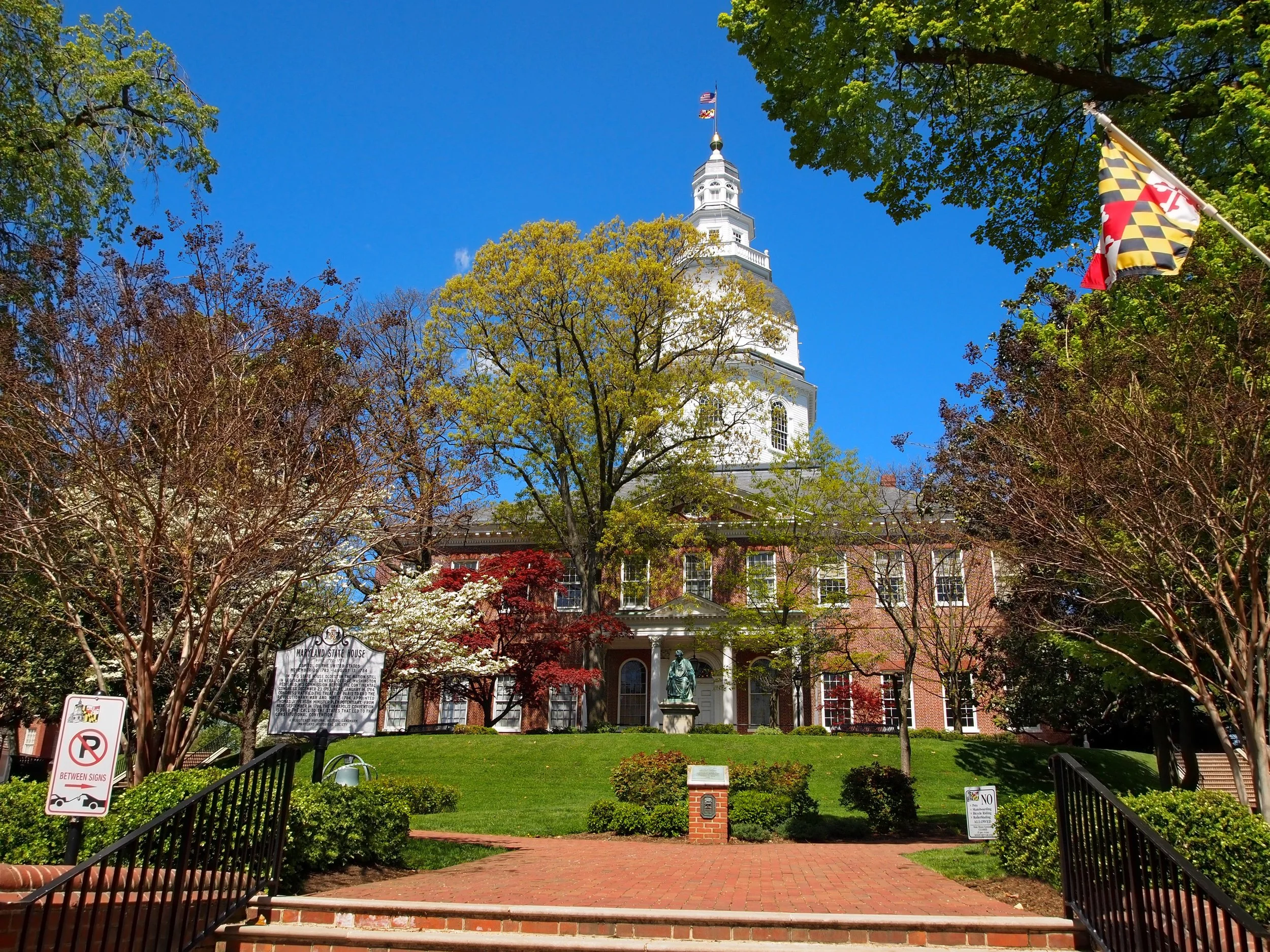
PDAB Implementation Challenges Slow State Drug Cost Efforts
Nine states have established Prescription Drug Affordability Boards to control drug costs, but implementation has proven complex and lengthy. Virginia's Governor Spanberger vetoed PDAB legislation citing ineffectiveness and high costs. Maryland, Colorado, Washington, and Minnesota have authority to set upper payment limits, though none have taken effect. Colorado finalized its first UPL in October 2025, effective January 2027. New Hampshire repealed its PDAB, while Louisiana passed limited transparency-focused legislation.
Medicaid Budget Shortfalls Are Driving States to Tighten Eligibility and Benefits
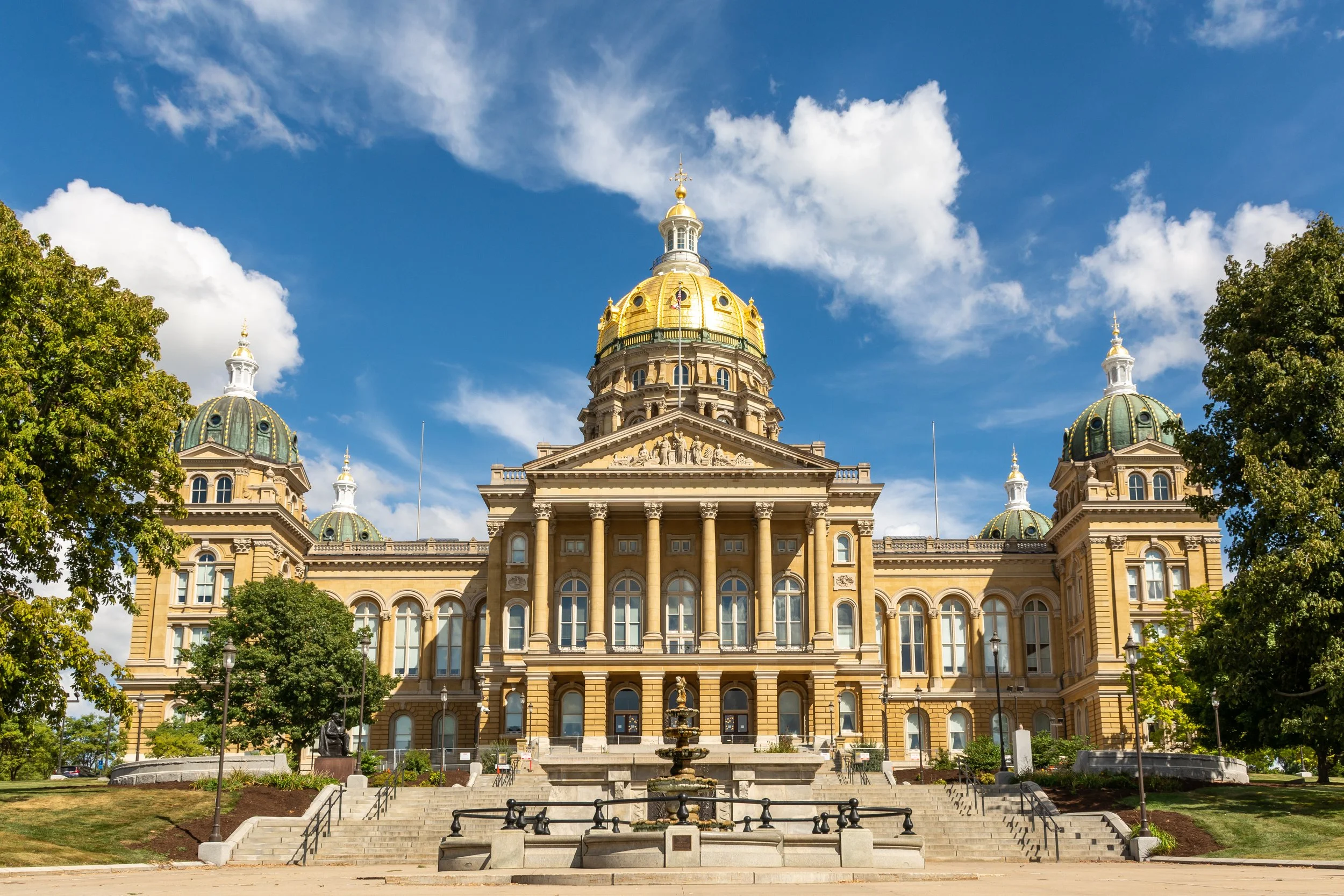
State Medicaid programs face severe fiscal constraints, with at least 14 states experiencing shortfalls last fiscal year. During 2026 legislative sessions, states implemented cost-containment measures: Colorado capped enrollment at 25,000 for its immigrant coverage program; Idaho cut reimbursement rates by $21.8 million; Iowa addressed a $91 million shortfall through increased MCO taxes; North Carolina raised copayments and tightened eligibility; Oklahoma debates expansion authority while adding $250 million in funding.
Does Medicaid Cover GLP-1 Drugs? A State-by-State Guide (2026 Update)
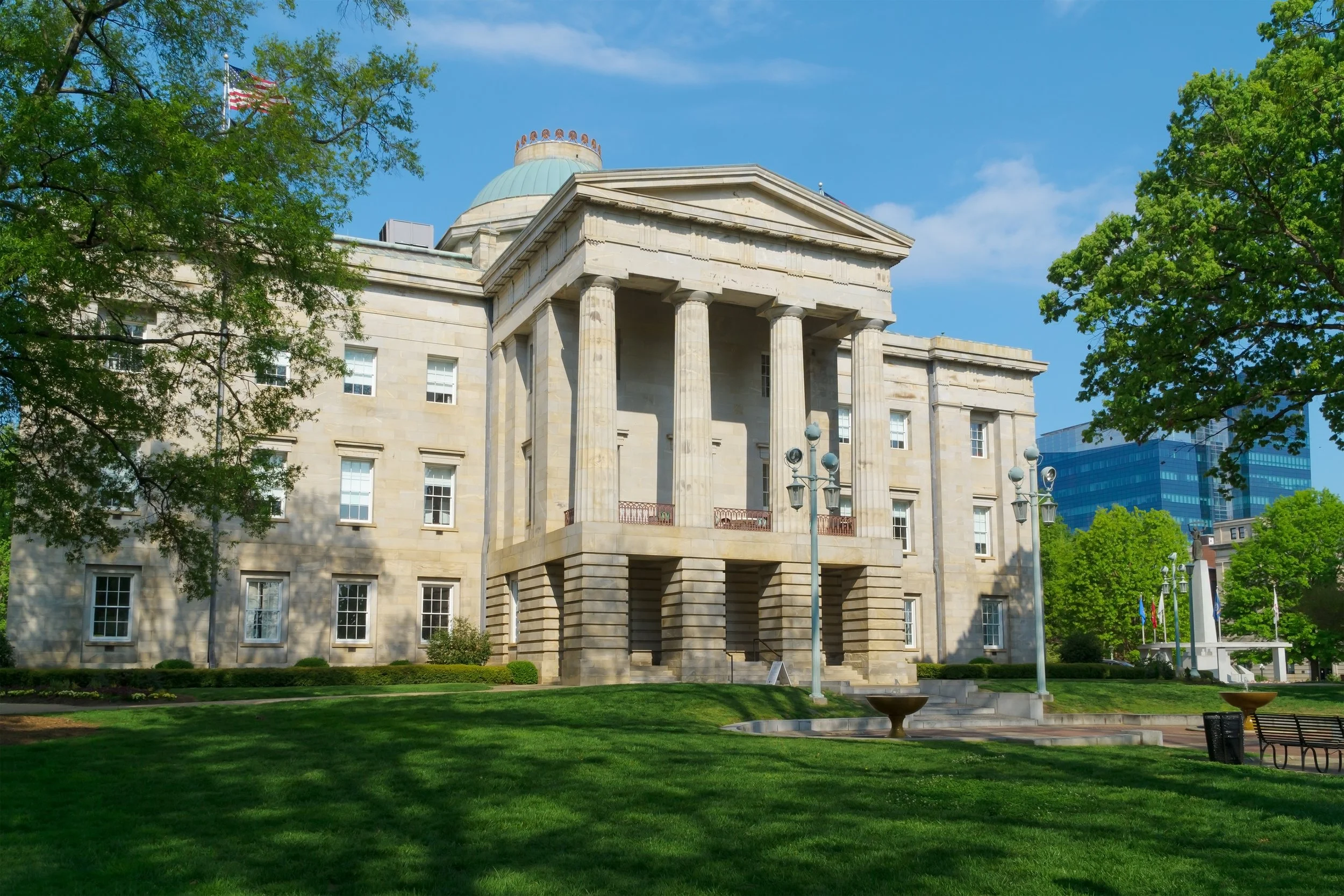
Only 13 state Medicaid programs cover GLP-1 medications for weight loss as of early 2026, down from 17 states before January 1. California, New Hampshire, Pennsylvania, and South Carolina dropped coverage citing budgetary constraints. The 13 remaining states impose strict restrictions including BMI thresholds over 30, prior authorization, and step therapy requirements. CMS introduced the BALANCE demonstration program allowing states to expand coverage through negotiated pricing beginning May 2026.
States Move to Revise Voter-Approved Medicaid Expansion Through Ballot Measures (Oklahoma’s Upcoming Medicaid Ballot Measure)
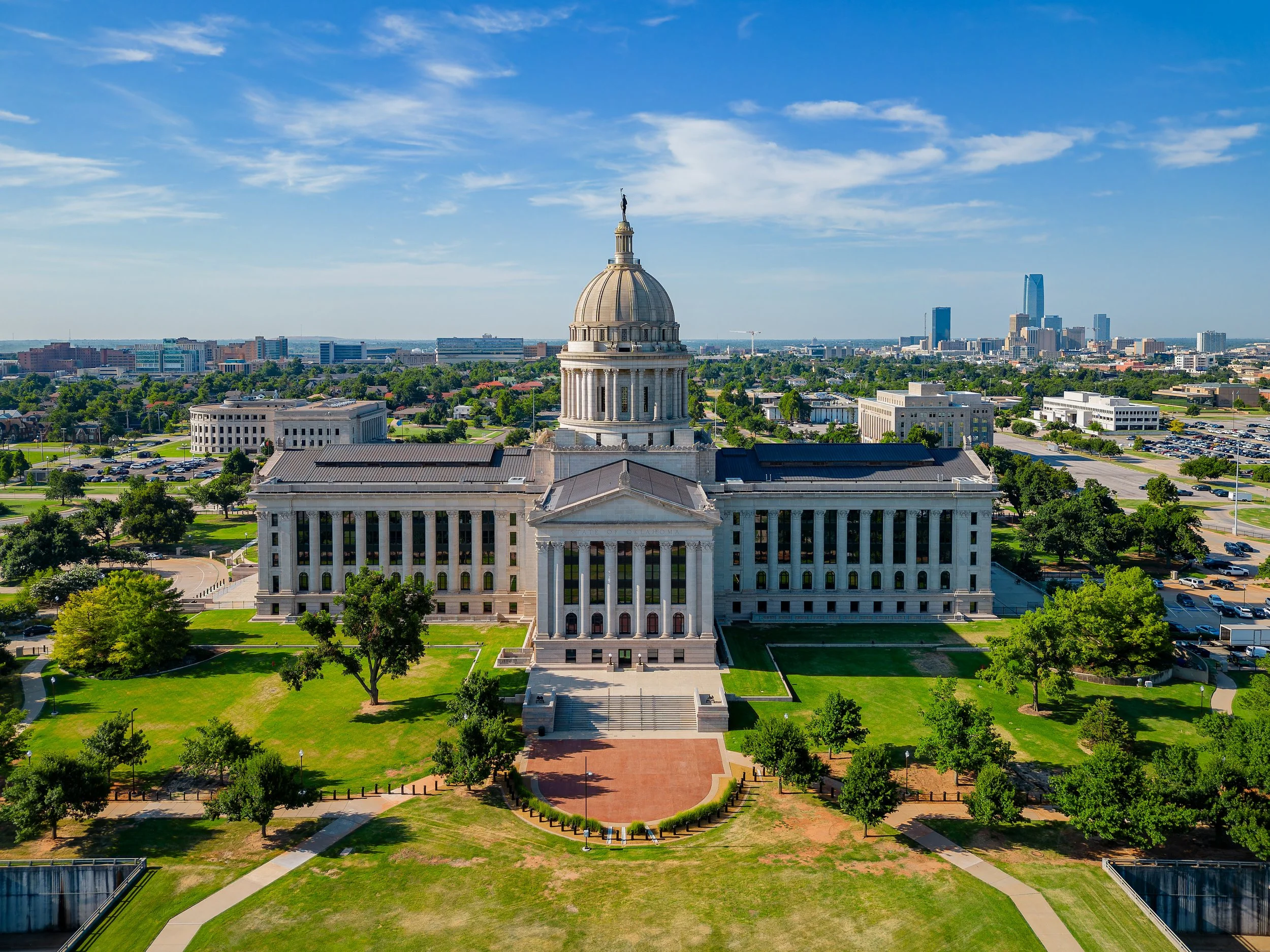
Oklahoma's House approved two measures for an August 25, 2026 special election ballot that would allow lawmakers to modify or end the state's voter-approved Medicaid expansion. One proposal (HB 4440) would move expansion from the constitution to statute; another (HJR 1067) would end expansion if federal funding drops below 90 percent. Similar efforts are underway in South Dakota and Missouri.

States Advance IVF Insurance Coverage Requirement Legislation Amid Growing Demand
Twenty-five states and Washington, D.C. currently require private insurance coverage for fertility care, while only New York, Utah, and D.C. offer limited Medicaid coverage. In 2026, Virginia enrolled legislation requiring coverage for three IVF cycles by 2028, while Arizona and Hawaii advanced bills mandating coverage for iatrogenic infertility. Connecticut expanded its infertility definition under existing mandates, reflecting states' focus on incremental coverage expansions.
PDAB Upper Payment Limits Confront Court Fights in State Drug Pricing Policy
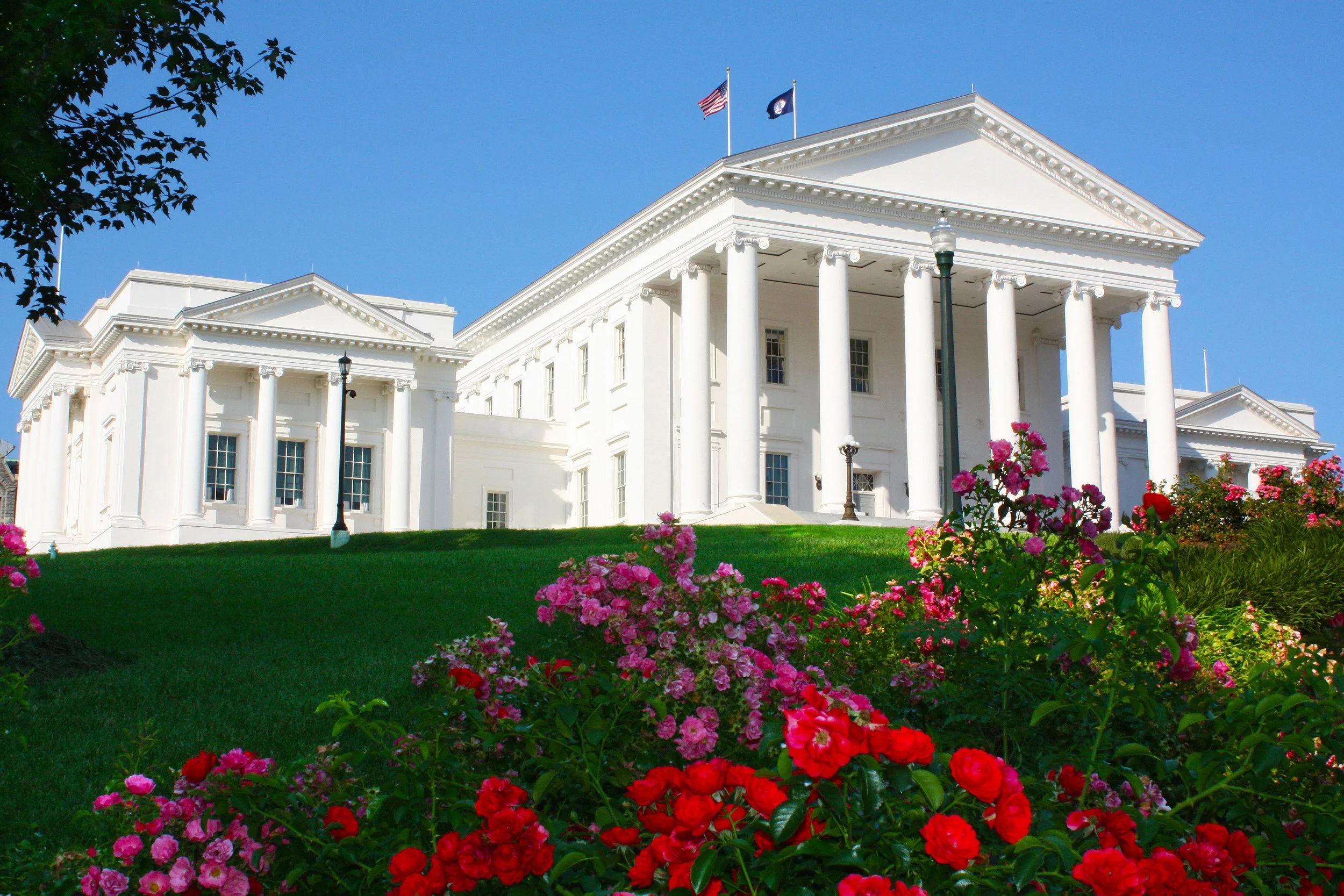
Virginia's Senate passed legislation to establish a Prescription Drug Affordability Board with upper payment limit authority, with similar House legislation pending under new Governor Abigail Spanberger. Four states currently have PDABs with UPL authority. Colorado became the first to set a UPL in October, effective January 2027, using Medicare's maximum fair price as the benchmark, though legal challenges remain ongoing.
Republican Governors Tackle State Medicaid Fraud Prevention with New Executive Orders
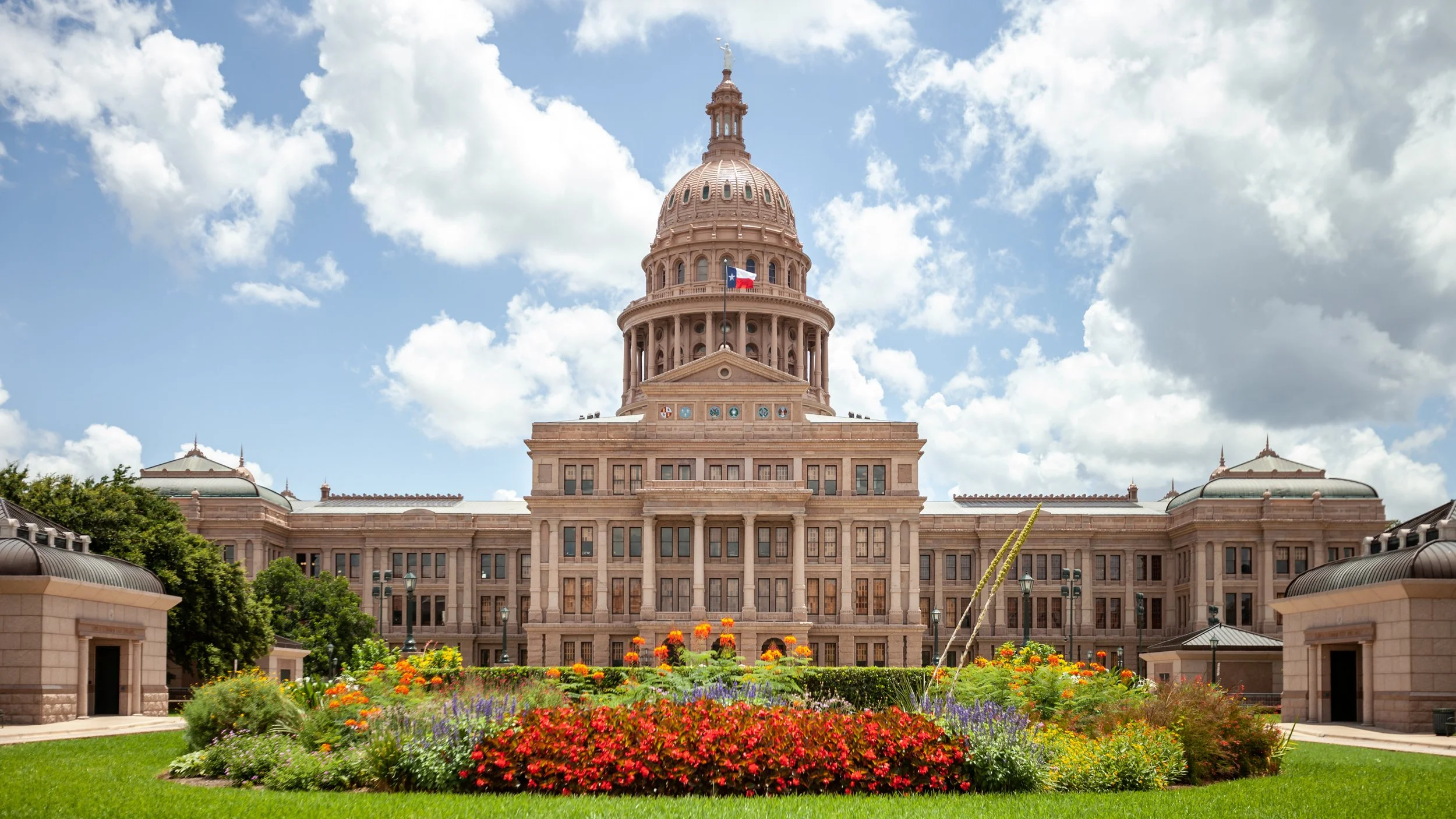
Republican governors in Texas, Indiana, and Oklahoma are strengthening Medicaid oversight to combat fraud and abuse. Texas Governor Abbott directed reviews of high-risk services including autism care and enhanced managed care investigations. Indiana’s EO 26-04 established a Council on Fraud Detection and Prevention coordinating state agencies. Oklahoma’s EO 2026-02 mandates comprehensive welfare program reviews covering Medicaid, SNAP, and WIC, including fraud protocols and eligibility requirements.

How Regional Health Alliances Tackled Vaccine Access in 2025
Following September 2025 federal restrictions limiting COVID-19 vaccine eligibility to adults 65+ and high-risk individuals, 18 states implemented protective measures including executive orders allowing pharmacy administration without prescriptions. Regional alliances like the West Coast Health Alliance and Northeast Public Health Collaborative emerged, while Florida moved to eliminate school vaccine mandates. The bipartisan Governor's Public Health Alliance launched October 15 with 15 governors coordinating responses.
Health Policy Rollup: State Action We Watched in December 2025
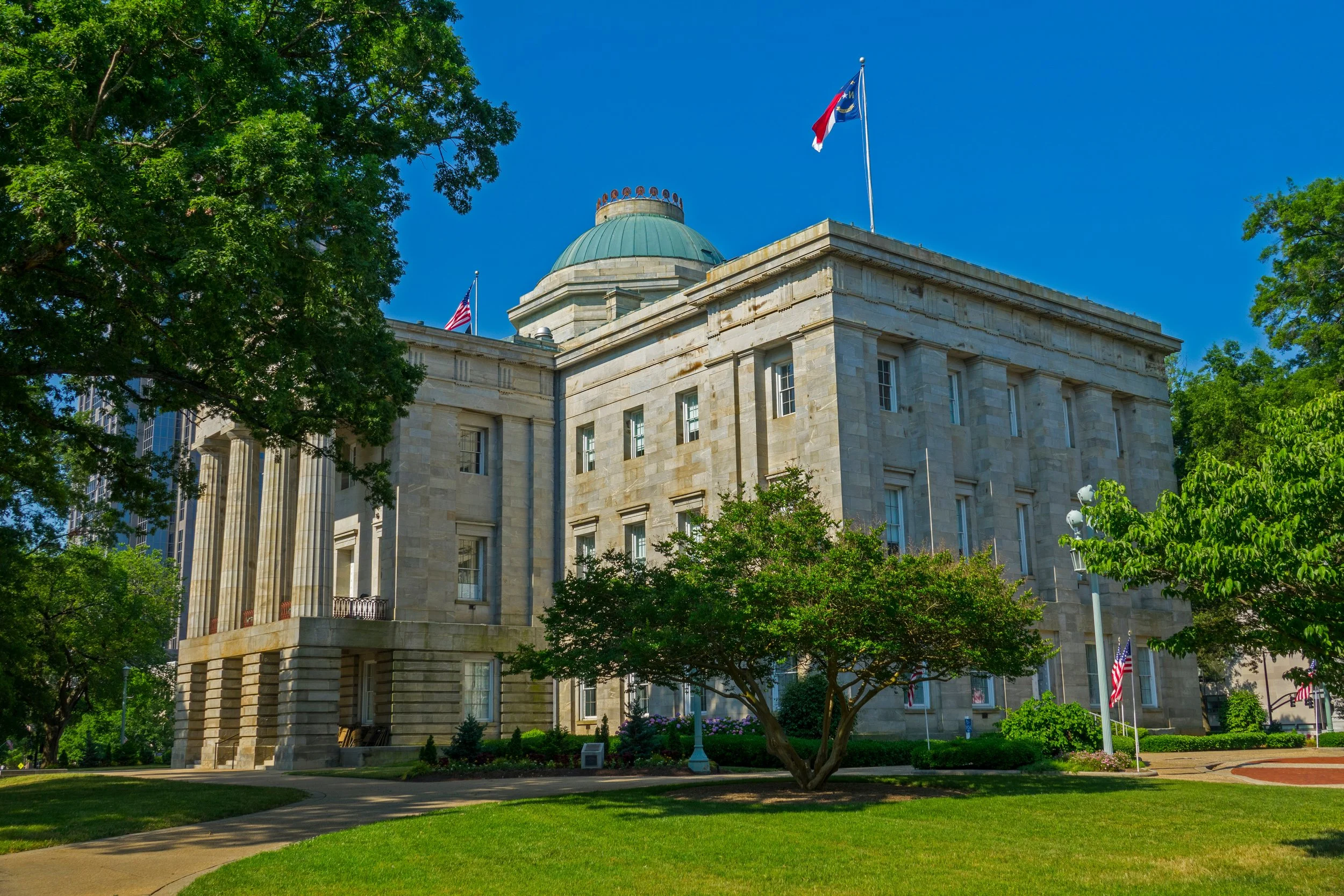
Delaware legislators introduced SB 213 eliminating hospital budget oversight authority, while Florida faces court-ordered Medicaid termination pauses after constitutional violations. North Carolina's certificate of need laws face ongoing legal challenges, and New York Governor Hochul proposed $71 million in healthcare investments including mental health licensing reforms. Utah became the first state implementing AI prescription renewals for chronic conditions.

State Medicaid Programs Face Huge Federal Funding Cut
President Trump signed the One Big Beautiful Bill Act on July 4, 2025, cutting federal Medicaid spending by $1.02 trillion over ten years. The legislation imposes work requirements, freezes provider tax rates, caps state-directed payments, and requires six-month eligibility redeterminations for expansion states. Most significant budget impacts won't hit states until 2028.

Budgets Dictate Healthcare Headlines as States Adjourn
States incorporated significant healthcare reforms into budget bills as sessions concluded and the new fiscal year began July 1st. California's $321 billion budget freezes Medicaid enrollment for undocumented adults starting 2026, while Minnesota eliminated coverage for approximately 15,000 undocumented adults. Florida boosted Medicaid rates for long-term care facilities by $286 million, Ohio established automatic Medicaid expansion termination if federal match drops below 90%, and Wisconsin raised hospital provider taxes to generate $1.5 billion in additional Medicaid funding.
Policy Trend: Medicaid Work Requirements
As states and the federal government look for ways to cut spending, an obvious place to look is one of the largest budget items for all jurisdictions: Medicaid. The addition of work requirements for recipients has been a perennial (though so far unsuccessful), option for budget conscious legislators. So far in 2025, 12 bills in 7 states have been introduced that would require some community engagement in order to receive Medicaid benefits.