
State Health Policy Updates to Watch in August 2026
August 2026 state healthcare actions include Idaho launching a task force to study insurer performance issues, Illinois enacting 75 bills covering 340B protections and private equity oversight, Indiana implementing a 6-month moratorium on home and community-based services waiver providers, Massachusetts issuing 12 healthcare affordability recommendations with a directive to increase primary care spending to 12% by 2028, and South Dakota successfully defending its 340B law in federal court.

State Prescription Drug Affordability Boards Face Legal and Strategic Crossroads
A federal judge blocked Colorado's first-in-the-nation upper payment limit on Amgen's Enbrel, finding it likely preempted by federal patent law. The preliminary injunction challenges state price-setting mechanisms for patented drugs. Meanwhile, Louisiana enacted SB 401, creating a transparency-focused PDAB requiring manufacturers to report pricing information rather than imposing affordability reviews, offering states an alternative approach to drug cost concerns.

Louisiana's 2026 Healthcare Legislation Advances Major Changes
Louisiana's 2026 legislative session, which adjourned June 1, enacted major healthcare reforms targeting Medicaid, drug pricing, and pharmacy benefit managers. Act 572 requires Medicaid authorization decisions within seven calendar days. SB 433 mandates coverage of FDA-approved weight loss medications. HB 870 requires insurers to favor lower-cost generics and biosimilars. SB 401 establishes a Prescription Drug Affordability Board to identify high-cost drugs and recommend cost-reduction strategies.
Illinois Enacts New Healthcare Legislation on 340B, Billing, and Privacy
Illinois lawmakers concluded their May session by advancing major healthcare legislation to Governor Pritzker, including significant 340B protections prohibiting manufacturer interference and requiring a Department of Insurance study. The legislature also passed multiple insurance coverage mandates, downcoding restrictions, healthcare market oversight measures extending pre-transaction notices to private equity, patient billing protections prohibiting hospital liens on primary residences, and abortion medication privacy safeguards.
State Health Policy Action We’re Watching in July 2026
State health policymakers advanced drug cost and Medicaid reforms this month. Colorado received FDA authorization to import prescription drugs from Canada, projecting $46 million in savings over three years. Indiana partnered with CMS to deploy AI for pre-payment Medicaid fraud detection. Iowa auditors found PBMs collected $100 million through clawback arrangements from 2019-2021. North Carolina repealed certificate-of-need laws for rehabilitation facilities, while Tennessee's pharmacy-PBM separation law faces multiple constitutional challenges.
State Health Policy Action We’re Watching in June 2026
Five states enacted significant healthcare legislation during spring 2026 sessions. Arizona launched AI-powered Medicaid fraud detection, while Iowa banned insurers from using AI to deny prior authorizations under HF 2635. Missouri's comprehensive HB 2372 awaits gubernatorial approval, expanding Medicaid coverage and hospital transparency requirements. Maryland's Prescription Drug Affordability Board capped Ozempic payments at Medicare rates for state plans. Connecticut's budget bill (SB 1) overhauled Certificate of Need requirements for hospitals.
PDAB Implementation Challenges Slow State Drug Cost Efforts
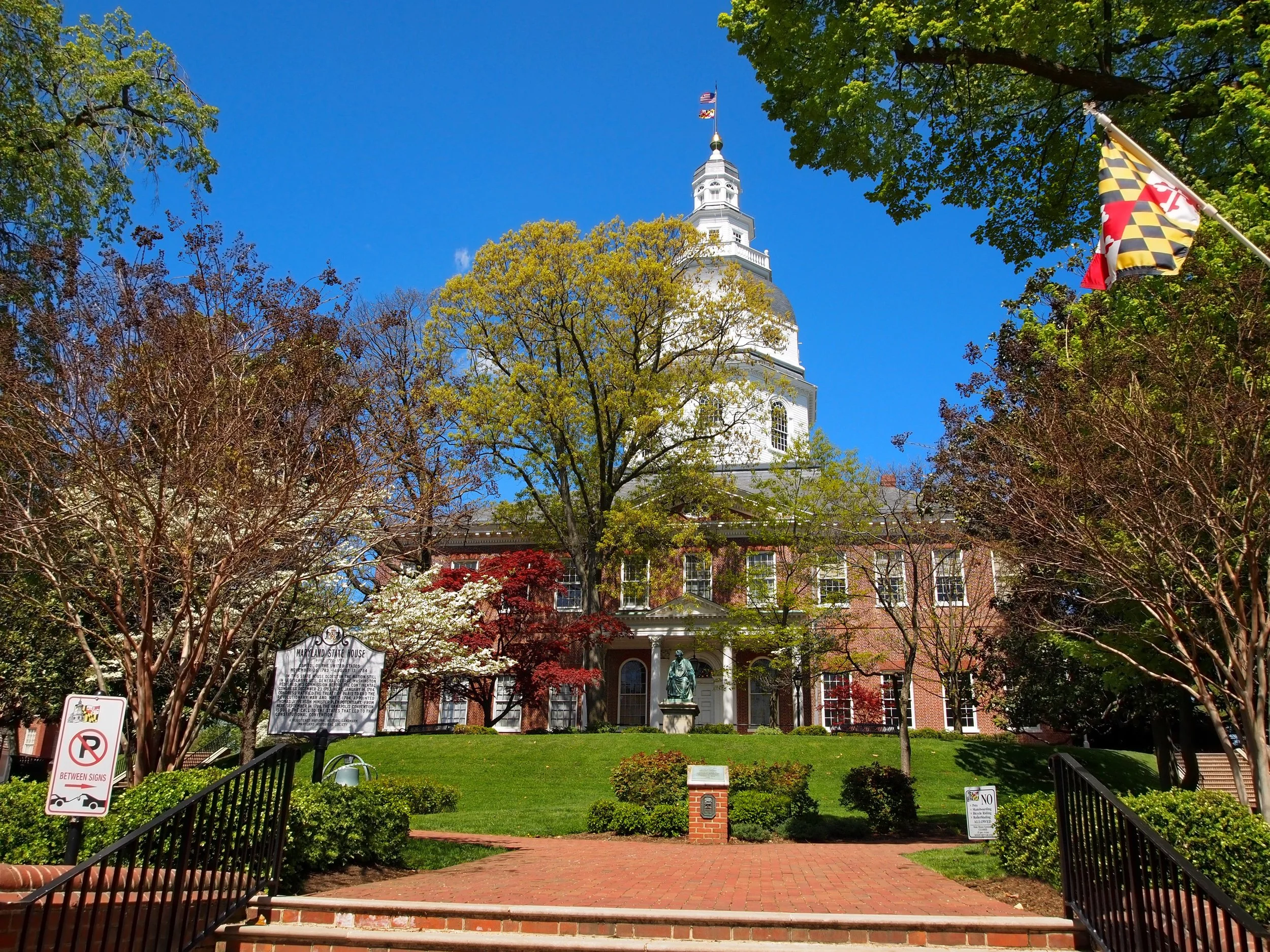
Nine states have established Prescription Drug Affordability Boards to control drug costs, but implementation has proven complex and lengthy. Virginia's Governor Spanberger vetoed PDAB legislation citing ineffectiveness and high costs. Maryland, Colorado, Washington, and Minnesota have authority to set upper payment limits, though none have taken effect. Colorado finalized its first UPL in October 2025, effective January 2027. New Hampshire repealed its PDAB, while Louisiana passed limited transparency-focused legislation.

Colorado's Prescription Drug Affordability Board: What It Is and Why It Matters (Upper Payment Limits and Affordability Reviews)
Colorado's Prescription Drug Affordability Board became the first state to set an upper payment limit on prescription drugs, establishing a $600 cap per unit for Enbrel effective January 2027. The state reviewed five drugs, finding three unaffordable. Nine states now have PDABs, with four authorized to set payment limits. The action faces ongoing litigation challenging constitutional grounds, with outcomes potentially impacting other states' affordability programs.

How Attorneys General Are Shaping National Health Policy Debates
Attorneys general are expanding their influence over health policy through opioid settlements, PBM reform, and Medicaid oversight. The Purdue/Sackler settlement yielded $7.4 billion effective May 1. Bipartisan coalitions of 39 and 45 attorneys general advocated for PBM reforms. Republican attorneys general challenged FDA mifepristone regulations, with Louisiana's litigation prompting Fifth Circuit action. Texas and Florida launched Medicaid fraud investigations and task forces.

Tennessee and Oklahoma Advance PBM Pharmacy Ownership Bans
Tennessee's HB 1959, prohibiting PBM pharmacy ownership, passed the House Insurance Committee 16-3 and advances to Government Operations Committee. House Speaker Cameron Sexton co-sponsored the bill citing anti-competitive concerns. Oklahoma's HB 3538 unanimously passed committee with similar restrictions but includes exceptions for rare and orphan drugs, awaiting full House vote. Similar legislation is pending in seven additional states.
State Healthcare Legislative Trends Emerge
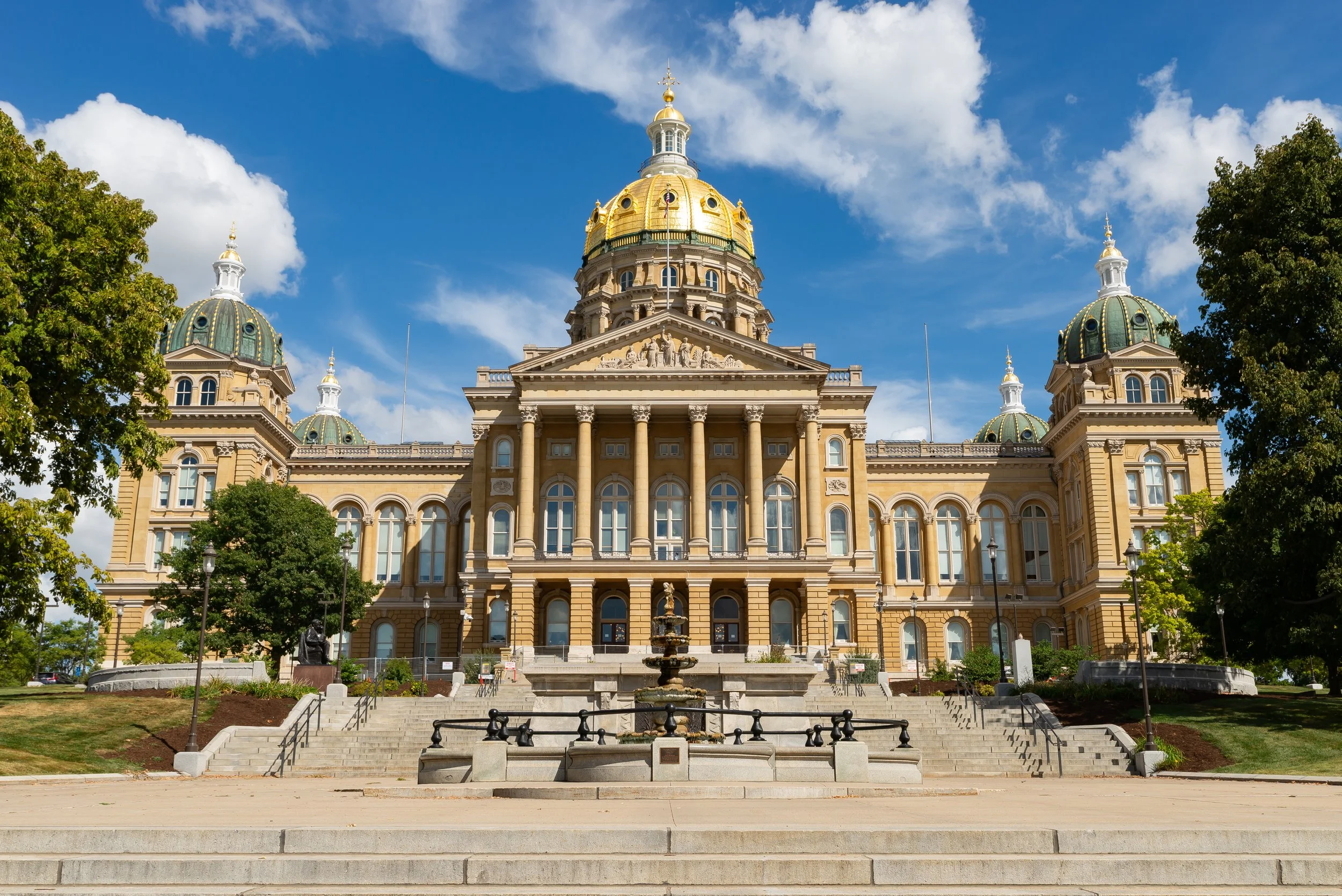
States are advancing healthcare legislation across three key areas as legislative sessions conclude. Multiple states enacted insurance reforms targeting utilization management and prior authorization, with Iowa, Utah, South Dakota, Washington, and New Mexico leading efforts. Indiana, Wyoming, and Utah passed Medicaid eligibility verification measures responding to federal reforms. Several states expanded scope of practice for pharmacists and mid-level providers to qualify for Rural Health Transformation Program funding.
PDAB Upper Payment Limits Confront Court Fights in State Drug Pricing Policy
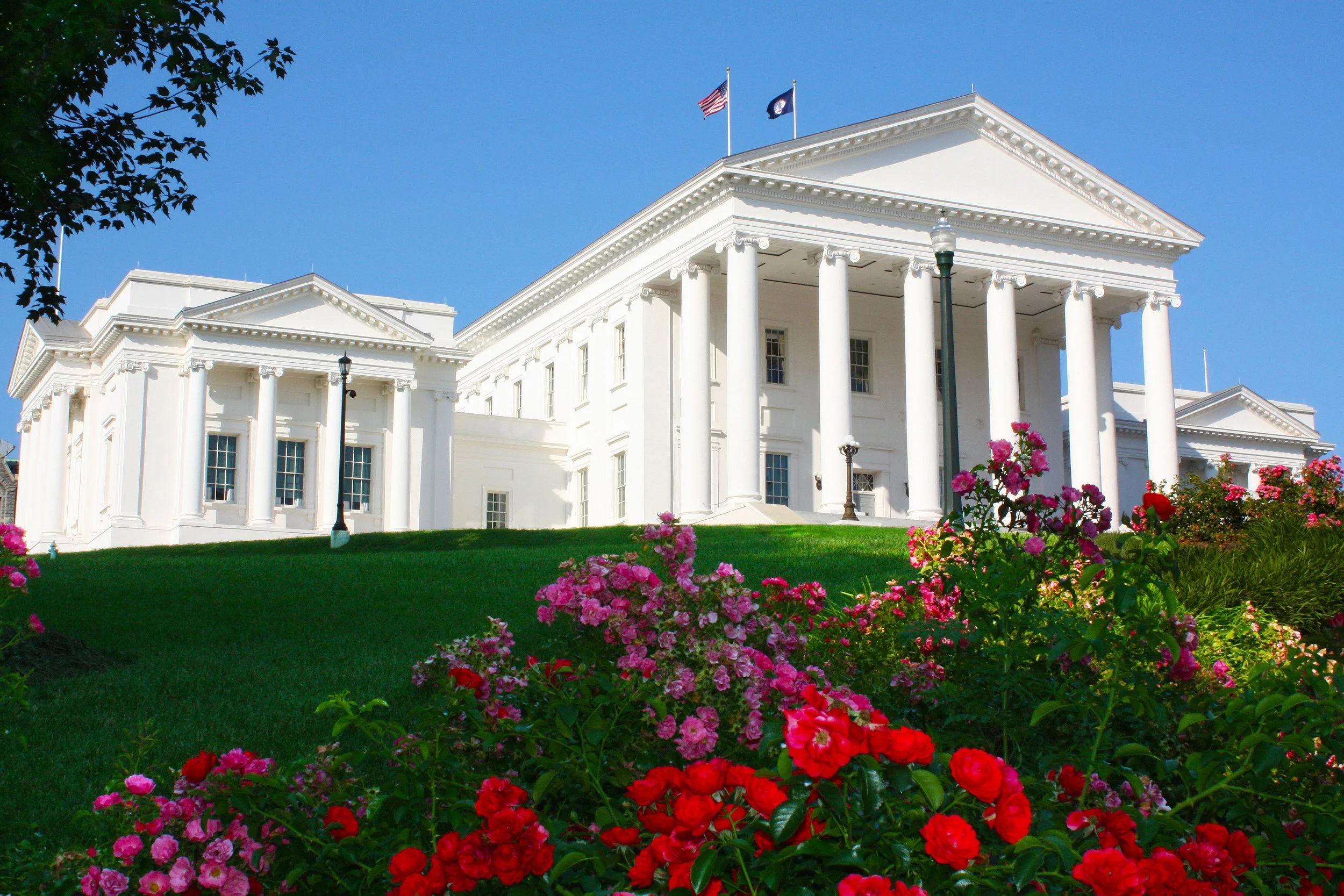
Virginia's Senate passed legislation to establish a Prescription Drug Affordability Board with upper payment limit authority, with similar House legislation pending under new Governor Abigail Spanberger. Four states currently have PDABs with UPL authority. Colorado became the first to set a UPL in October, effective January 2027, using Medicare's maximum fair price as the benchmark, though legal challenges remain ongoing.

Federal Pharmacy Benefit Manager Reforms May Spark State Action
Congress passed comprehensive PBM reforms requiring 100% rebate pass-through to ERISA plans, detailed disclosure requirements, and Medicare Part D compensation limits to bona fide service fees. California and Colorado already adopted delinking practices, while New Jersey and Virginia introduced similar legislation. Ten states have introduced rebate pass-through bills, with federal transparency standards potentially becoming state-level requirements.
Pharmacy Benefit Manager (PBM) Legislation Tackled Ownership Restrictions, Transparency, and More in 2025
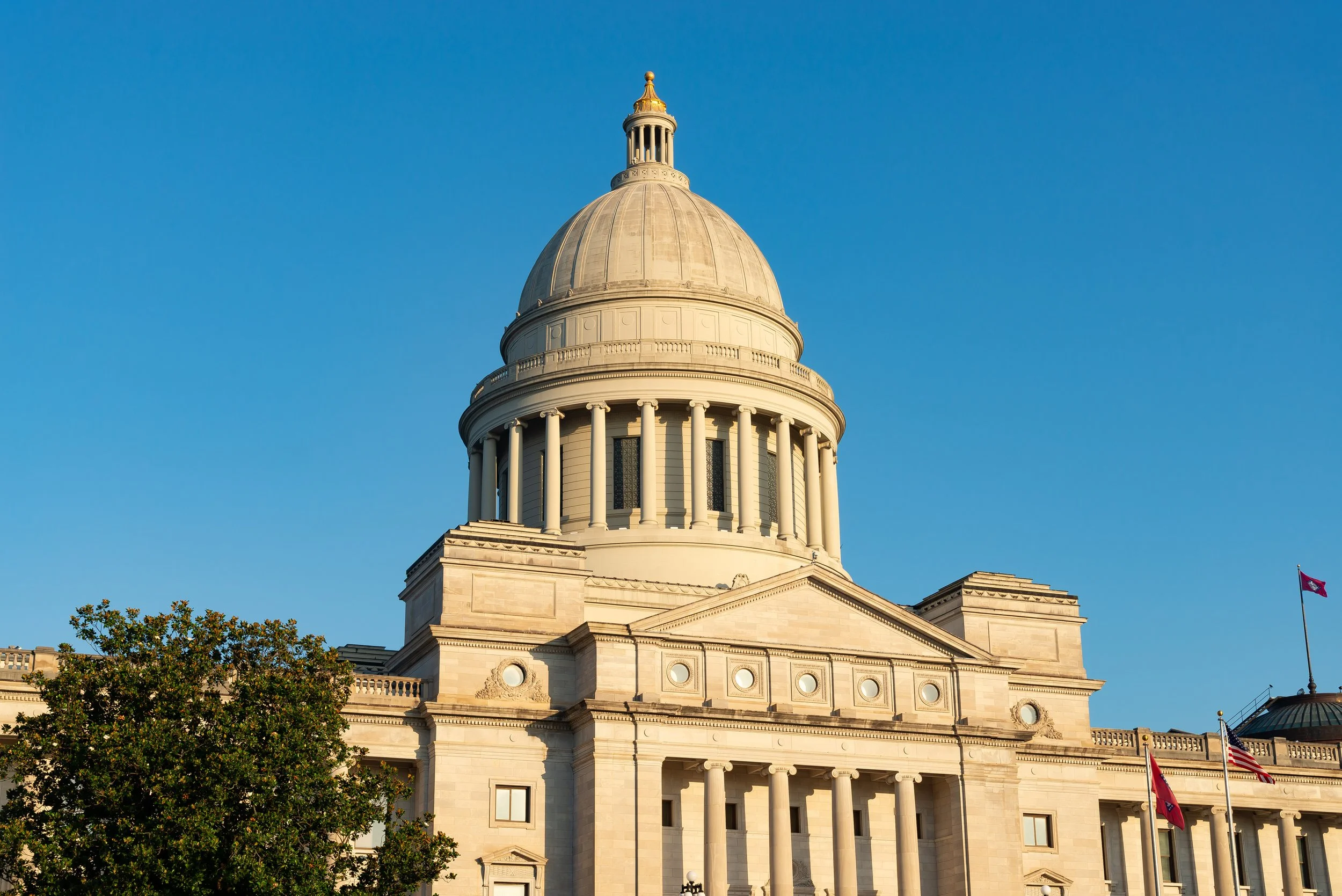
States enacted significant pharmacy benefit manager reforms in 2025, with Arkansas implementing the nation's first PBM-pharmacy ownership ban despite facing legal challenges. Massachusetts passed comprehensive licensing requirements, while Colorado and California adopted "delinking" laws prohibiting PBM compensation tied to drug prices. Utah mandated rebate pass-through mechanisms. These diverse approaches reflect growing bipartisan momentum toward curbing PBM practices affecting independent pharmacies and drug pricing transparency.

Here's What Prescription Drug Affordability Boards Have Been Doing in 2025 (Upls, Affordability Reviews, and Expanded Authority)
Colorado finalized the nation's first prescription drug upper payment limit, capping Enbrel at $600 per dose effective January 2027. Maryland conducted affordability reviews on four drugs and voted to set UPLs for Jardiance and Farxiga. Oregon reviewed 23 drugs with final recommendations expected March 2026, while Washington and Minnesota prepared for upcoming reviews.

Health Policy Rollup: State Action We’re Watching in July 2025
Connecticut Governor Lamont signed comprehensive healthcare reform including mental health parity reporting and step therapy prohibitions. Iowa and Montana submitted federal waivers for Medicaid work requirements, seeking 100 and 80 monthly hours respectively. Oklahoma's Governor Stitt issued an executive order implementing "Make America Healthy Again" initiatives, including SNAP waivers to exclude soft drinks and ending public water fluoridation endorsements. Maine's legislature passed PDAB expansion legislation, but Governor Mills postponed her decision until January 2026.

States Take Action on Upper Payment Limits to Address Prescription Drug Affordability
With rising prescription drug costs a concern for consumers, state legislatures have taken an array of actions to contain costs. In recent years the establishment of Prescription Drug Affordability Boards (PDABs) has emerged as a strategy across the country. Eleven states have established a PDAB or a similar drug cost control entity. PDABs in four states (Colorado, Maryland, Minnesota, and Washington) have the authority to set upper payment limits (UPLs) on prescription drugs they determine to be unaffordable after review.

What to Expect in State Health Policy in 2025
In 2025, state lawmakers are expected to prioritize healthcare affordability and access, building on key legislative trends from this year. Here are our thoughts on key trends and issues from 2024 and how they might show up in state capitols next year.