
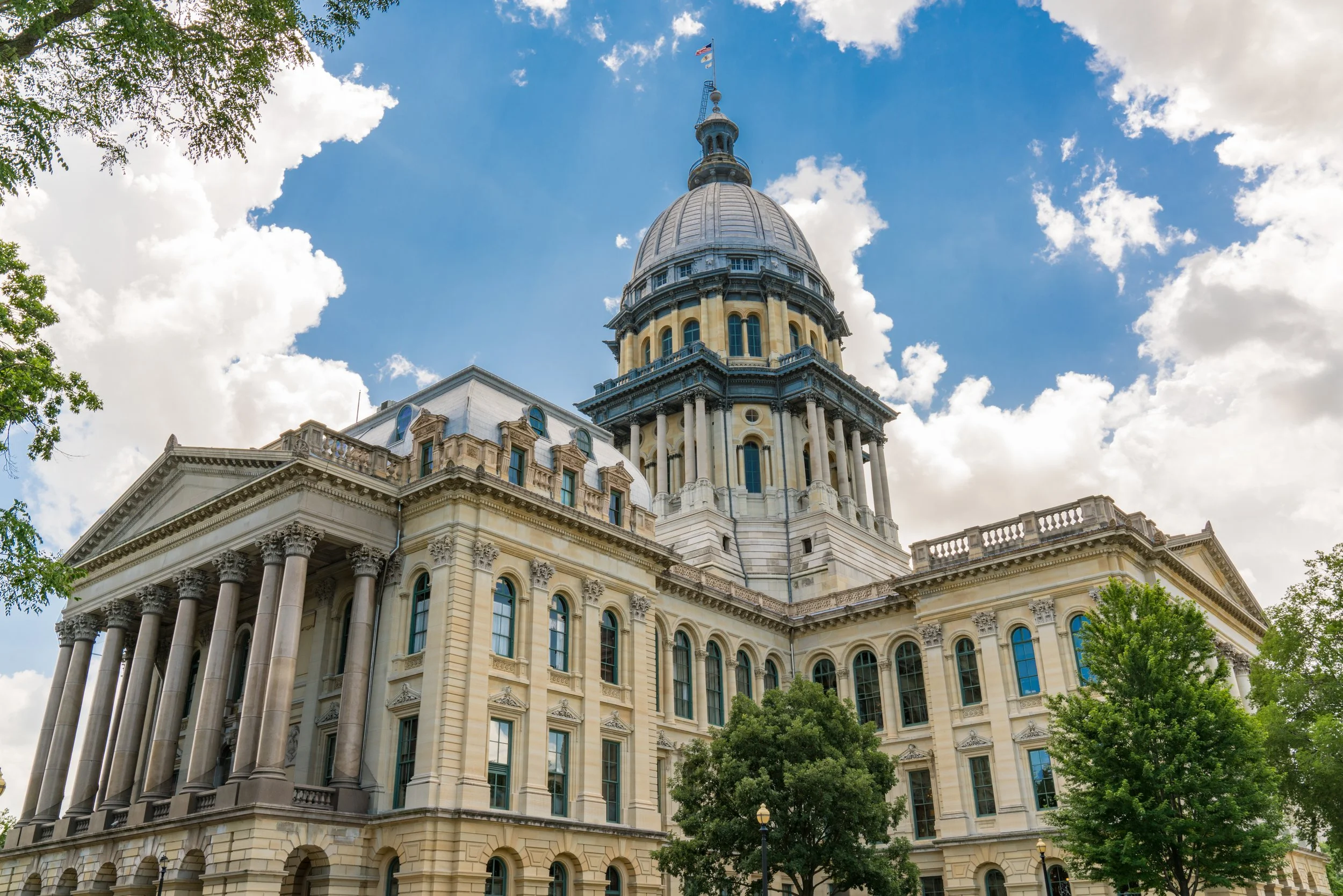
State Health Policy Updates to Watch in August 2026
August 2026 state healthcare actions include Idaho launching a task force to study insurer performance issues, Illinois enacting 75 bills covering 340B protections and private equity oversight, Indiana implementing a 6-month moratorium on home and community-based services waiver providers, Massachusetts issuing 12 healthcare affordability recommendations with a directive to increase primary care spending to 12% by 2028, and South Dakota successfully defending its 340B law in federal court.

Louisiana's 2026 Healthcare Legislation Advances Major Changes
Louisiana's 2026 legislative session, which adjourned June 1, enacted major healthcare reforms targeting Medicaid, drug pricing, and pharmacy benefit managers. Act 572 requires Medicaid authorization decisions within seven calendar days. SB 433 mandates coverage of FDA-approved weight loss medications. HB 870 requires insurers to favor lower-cost generics and biosimilars. SB 401 establishes a Prescription Drug Affordability Board to identify high-cost drugs and recommend cost-reduction strategies.
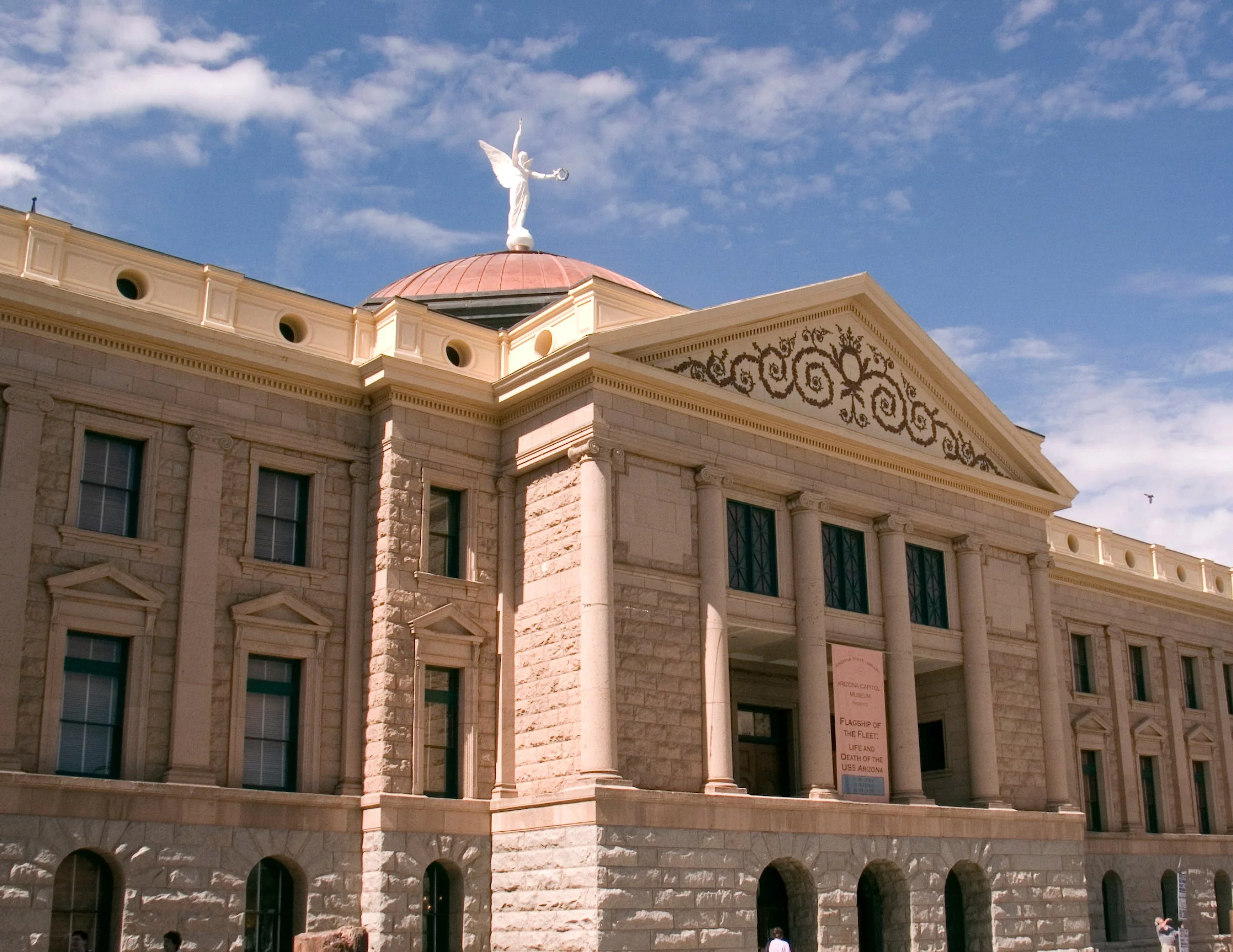
State Health Policy Action We’re Watching in June 2026
Five states enacted significant healthcare legislation during spring 2026 sessions. Arizona launched AI-powered Medicaid fraud detection, while Iowa banned insurers from using AI to deny prior authorizations under HF 2635. Missouri's comprehensive HB 2372 awaits gubernatorial approval, expanding Medicaid coverage and hospital transparency requirements. Maryland's Prescription Drug Affordability Board capped Ozempic payments at Medicare rates for state plans. Connecticut's budget bill (SB 1) overhauled Certificate of Need requirements for hospitals.

Does Medicaid Cover GLP-1 Drugs? A State-by-State Guide (2026 Update)
Only 13 state Medicaid programs cover GLP-1 medications for weight loss as of early 2026, down from 17 states before January 1. California, New Hampshire, Pennsylvania, and South Carolina dropped coverage citing budgetary constraints. The 13 remaining states impose strict restrictions including BMI thresholds over 30, prior authorization, and step therapy requirements. CMS introduced the BALANCE demonstration program allowing states to expand coverage through negotiated pricing beginning May 2026.

State Healthcare Legislative Trends Emerge
States are advancing healthcare legislation across three key areas as legislative sessions conclude. Multiple states enacted insurance reforms targeting utilization management and prior authorization, with Iowa, Utah, South Dakota, Washington, and New Mexico leading efforts. Indiana, Wyoming, and Utah passed Medicaid eligibility verification measures responding to federal reforms. Several states expanded scope of practice for pharmacists and mid-level providers to qualify for Rural Health Transformation Program funding.

State Health Policy Organizations Shaping Healthcare Model Legislation in 2026
Healthcare policy groups including FARB, NAIC, NAMD, NASHP, and NCOIL serve as platforms for state policymakers to collaborate and shape emerging trends. In 2025, multiple organizations adopted model legislation on facility fees and site-neutral payments, with NCOIL passing its Prior Authorization Reform Model Act in November. Groups are now focusing on the Rural Health Transformation Program and 340B oversight for 2026.

States Tackle AI Healthcare Utilization Management Laws Despite White House Executive Order
Despite a December 2025 White House Executive Order threatening to cut BEAD Program funding for states with comprehensive AI oversight, nine states including Alabama, Hawaii, Indiana, Mississippi, Oklahoma, Rhode Island, Tennessee, Virginia, and Vermont have introduced 2026 legislation restricting insurers' use of AI in coverage decisions, with federal review expected by mid-March.

Health Policy Rollup: State Action We Watched in November 2025
Fifteen governors launched a public health alliance to improve emergency preparedness and coordination across state lines, while CMS announced all 50 states applied for the $50 billion Rural Health Transformation Program. California enacted major healthcare transparency and PBM oversight legislation, Colorado proposed significant Medicaid spending cuts, and Massachusetts advanced prior authorization reforms.

Healthcare Legislators Tackle AI Claims and Medical Debt Relief (NCOIL Recap)
The National Council of Insurance Legislators adopted the Prior Authorization Reform Model Act and advanced artificial intelligence oversight policies at its Atlanta annual meeting. The Health Insurance Committee addressed charity care screening requirements and medical debt protections, while the Financial Services Committee continued developing AI governance standards requiring human professionals to make claim denial decisions. Legislators discussed expiring ACA tax credits' impact on market stability with state insurance commissioners.

Prior Authorization Reform Gains Momentum in States
States pursued multiple approaches to reduce prior authorization barriers in 2025, with gold card programs leading reform efforts. Arkansas, Texas, and West Virginia amended existing gold card legislation, while Iowa's pilot program was removed. Indiana and Montana established 24-48 hour review timeframes and coverage continuity requirements. Maryland restricted AI use in determinations, requiring patient-specific data and human physician oversight for adverse decisions.
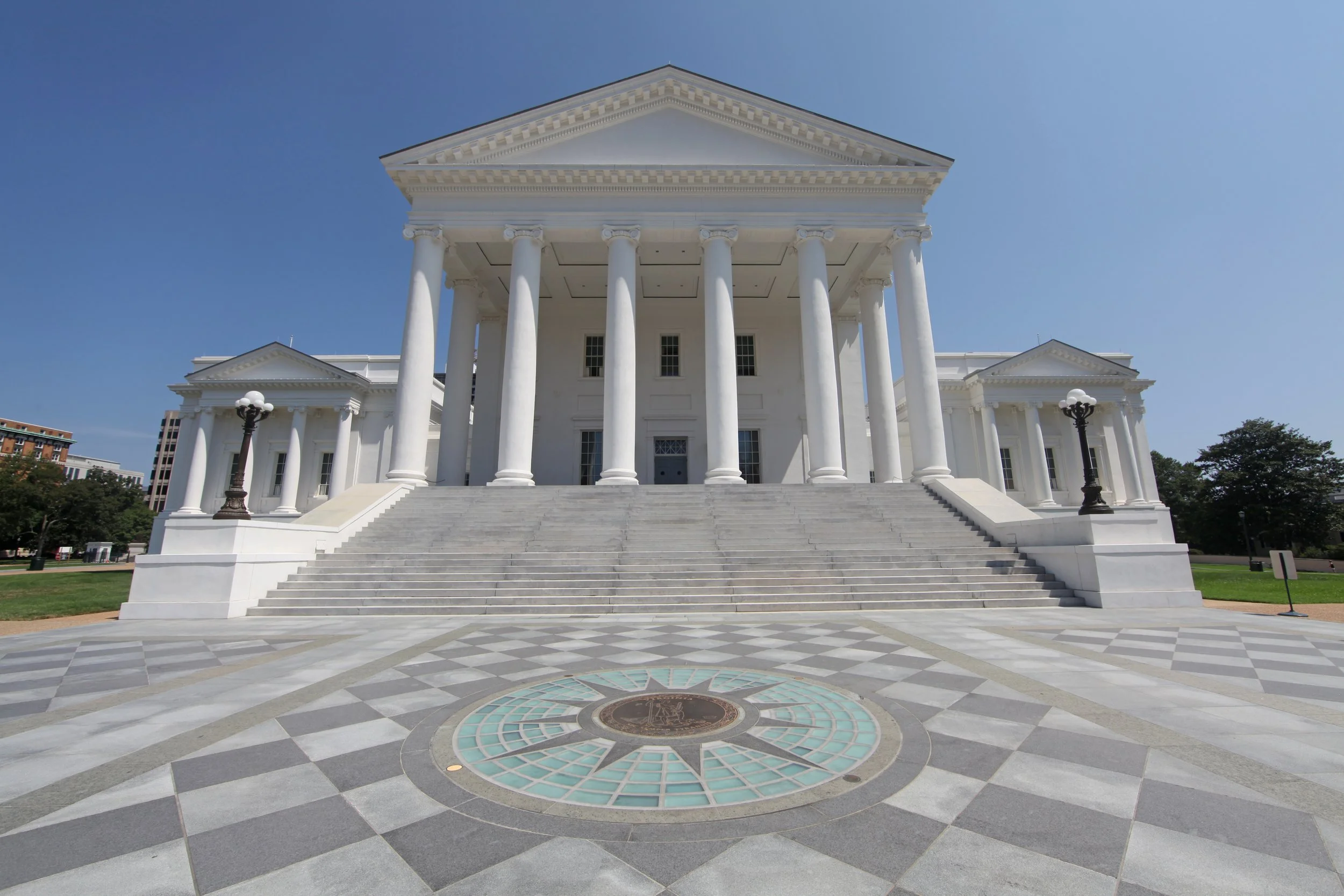
Virginia and Utah Legislative Sessions Just Wrapped — Here Are the Health Policy Takeaways
Virginia and Utah wrapped up their sessions with significant healthcare legislation. Both states enrolled legislation that stands to have significant influences to the state of healthcare delivery and coverage and public health.

What to Expect in State Health Policy in 2025
In 2025, state lawmakers are expected to prioritize healthcare affordability and access, building on key legislative trends from this year. Here are our thoughts on key trends and issues from 2024 and how they might show up in state capitols next year.