

State Prescription Drug Affordability Boards Face Legal and Strategic Crossroads
A federal judge blocked Colorado's first-in-the-nation upper payment limit on Amgen's Enbrel, finding it likely preempted by federal patent law. The preliminary injunction challenges state price-setting mechanisms for patented drugs. Meanwhile, Louisiana enacted SB 401, creating a transparency-focused PDAB requiring manufacturers to report pricing information rather than imposing affordability reviews, offering states an alternative approach to drug cost concerns.
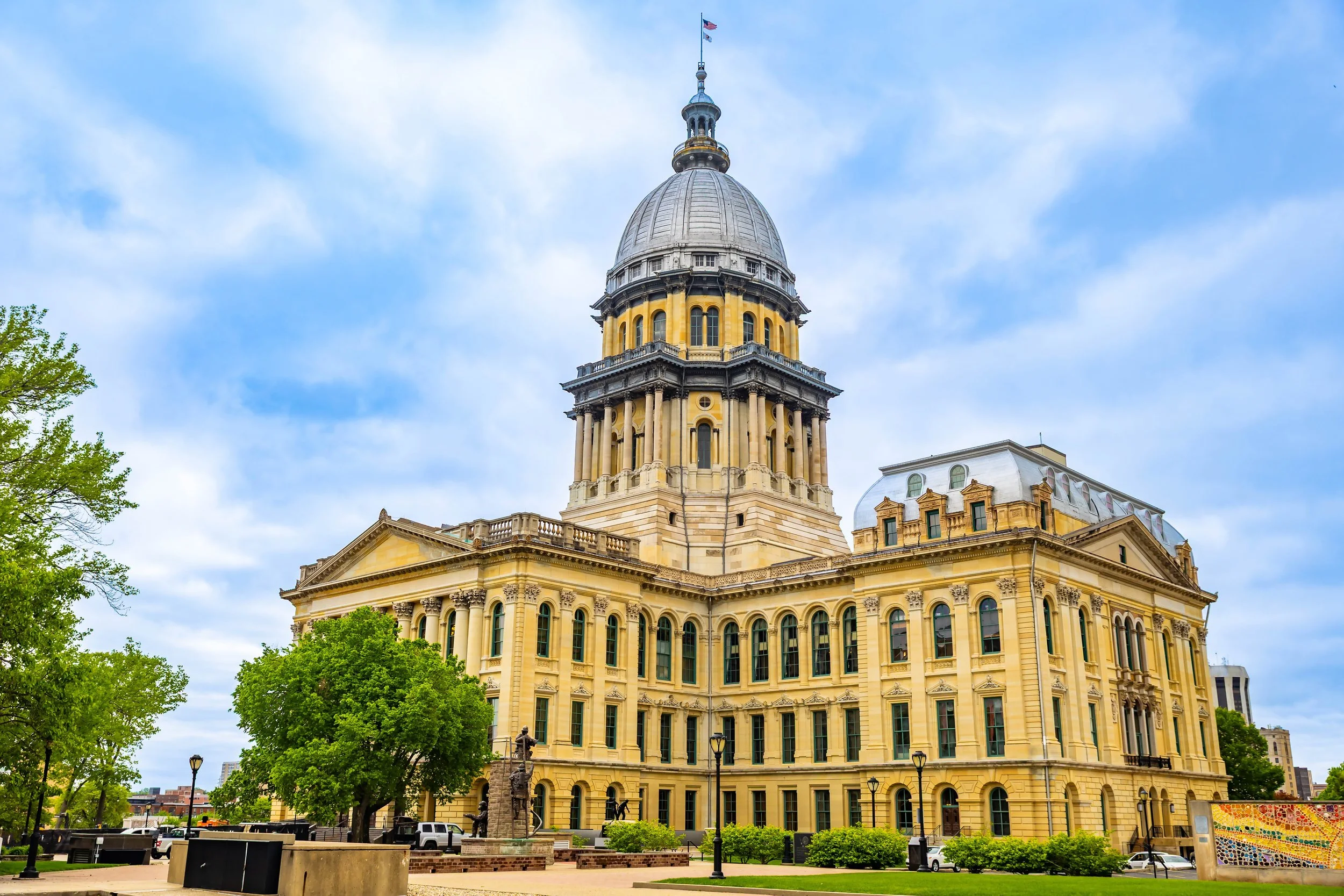
Illinois Enacts New Healthcare Legislation on 340B, Billing, and Privacy
Illinois lawmakers concluded their May session by advancing major healthcare legislation to Governor Pritzker, including significant 340B protections prohibiting manufacturer interference and requiring a Department of Insurance study. The legislature also passed multiple insurance coverage mandates, downcoding restrictions, healthcare market oversight measures extending pre-transaction notices to private equity, patient billing protections prohibiting hospital liens on primary residences, and abortion medication privacy safeguards.
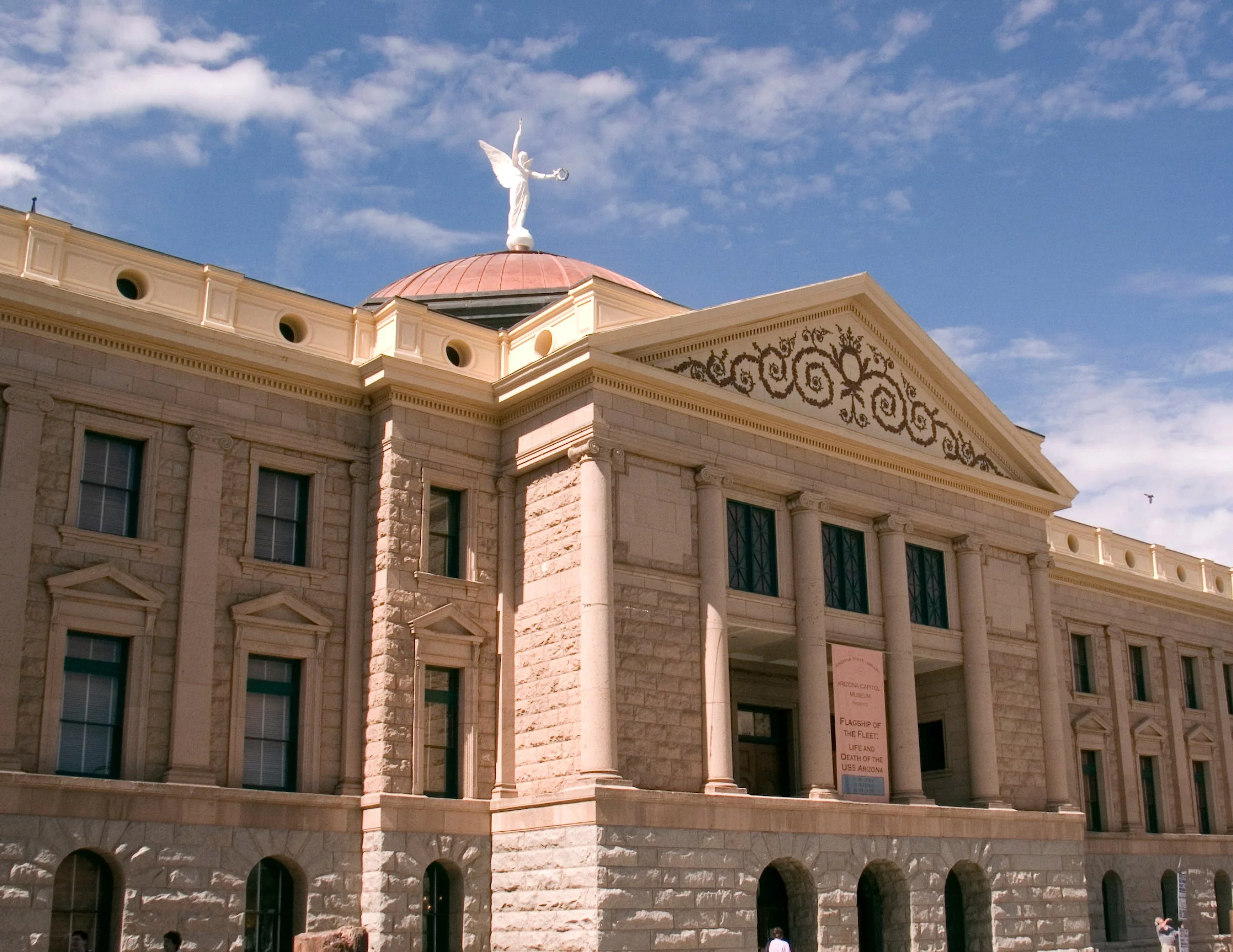
State Health Policy Action We’re Watching in June 2026
Five states enacted significant healthcare legislation during spring 2026 sessions. Arizona launched AI-powered Medicaid fraud detection, while Iowa banned insurers from using AI to deny prior authorizations under HF 2635. Missouri's comprehensive HB 2372 awaits gubernatorial approval, expanding Medicaid coverage and hospital transparency requirements. Maryland's Prescription Drug Affordability Board capped Ozempic payments at Medicare rates for state plans. Connecticut's budget bill (SB 1) overhauled Certificate of Need requirements for hospitals.
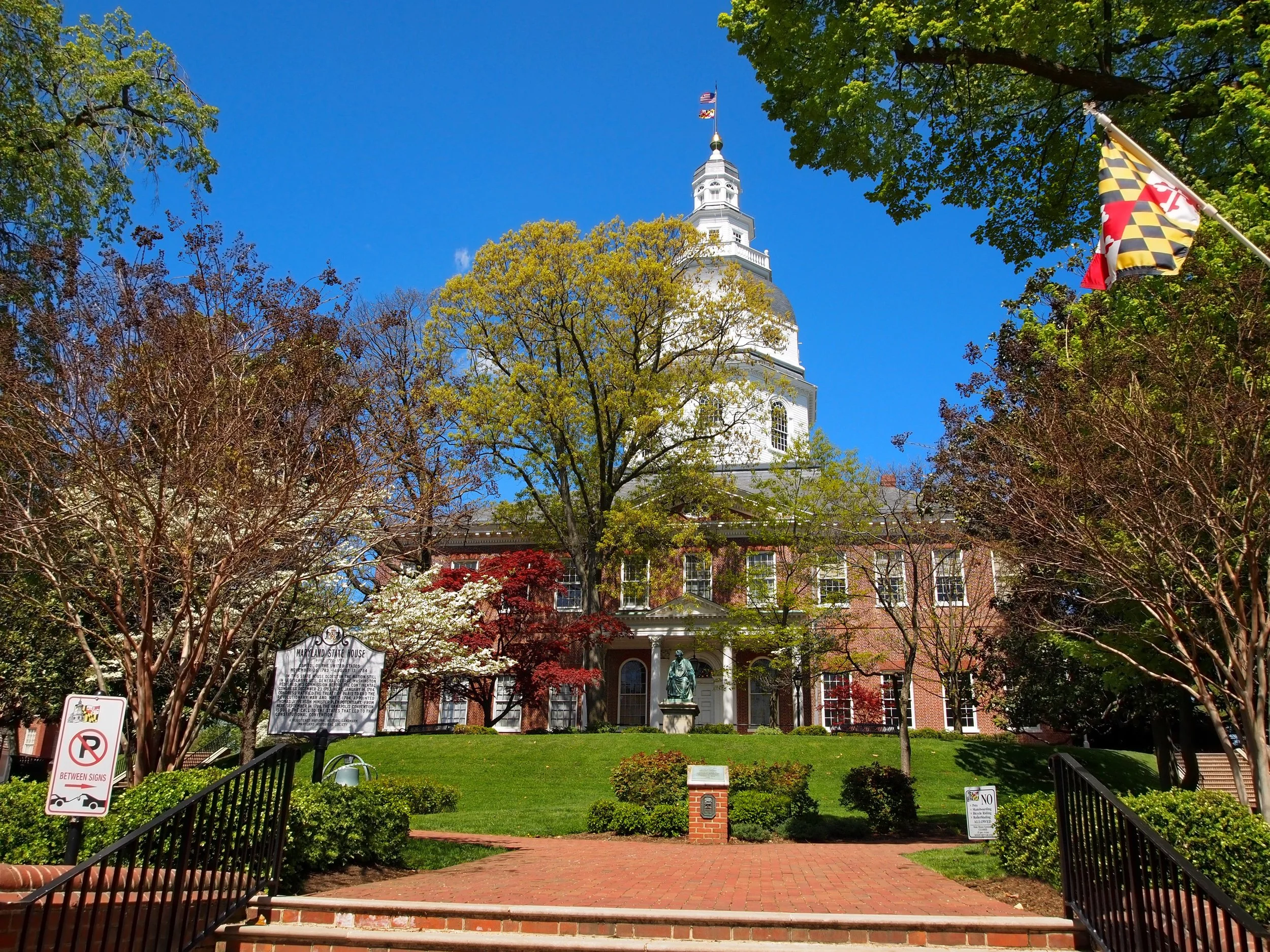
PDAB Implementation Challenges Slow State Drug Cost Efforts
Nine states have established Prescription Drug Affordability Boards to control drug costs, but implementation has proven complex and lengthy. Virginia's Governor Spanberger vetoed PDAB legislation citing ineffectiveness and high costs. Maryland, Colorado, Washington, and Minnesota have authority to set upper payment limits, though none have taken effect. Colorado finalized its first UPL in October 2025, effective January 2027. New Hampshire repealed its PDAB, while Louisiana passed limited transparency-focused legislation.

Colorado's Prescription Drug Affordability Board: What It Is and Why It Matters (Upper Payment Limits and Affordability Reviews)
Colorado's Prescription Drug Affordability Board became the first state to set an upper payment limit on prescription drugs, establishing a $600 cap per unit for Enbrel effective January 2027. The state reviewed five drugs, finding three unaffordable. Nine states now have PDABs, with four authorized to set payment limits. The action faces ongoing litigation challenging constitutional grounds, with outcomes potentially impacting other states' affordability programs.

Does Medicaid Cover GLP-1 Drugs? A State-by-State Guide (2026 Update)
Only 13 state Medicaid programs cover GLP-1 medications for weight loss as of early 2026, down from 17 states before January 1. California, New Hampshire, Pennsylvania, and South Carolina dropped coverage citing budgetary constraints. The 13 remaining states impose strict restrictions including BMI thresholds over 30, prior authorization, and step therapy requirements. CMS introduced the BALANCE demonstration program allowing states to expand coverage through negotiated pricing beginning May 2026.

State Health Policy Organizations Shaping Healthcare Model Legislation in 2026
Healthcare policy groups including FARB, NAIC, NAMD, NASHP, and NCOIL serve as platforms for state policymakers to collaborate and shape emerging trends. In 2025, multiple organizations adopted model legislation on facility fees and site-neutral payments, with NCOIL passing its Prior Authorization Reform Model Act in November. Groups are now focusing on the Rural Health Transformation Program and 340B oversight for 2026.

Federal Pharmacy Benefit Manager Reforms May Spark State Action
Congress passed comprehensive PBM reforms requiring 100% rebate pass-through to ERISA plans, detailed disclosure requirements, and Medicare Part D compensation limits to bona fide service fees. California and Colorado already adopted delinking practices, while New Jersey and Virginia introduced similar legislation. Ten states have introduced rebate pass-through bills, with federal transparency standards potentially becoming state-level requirements.
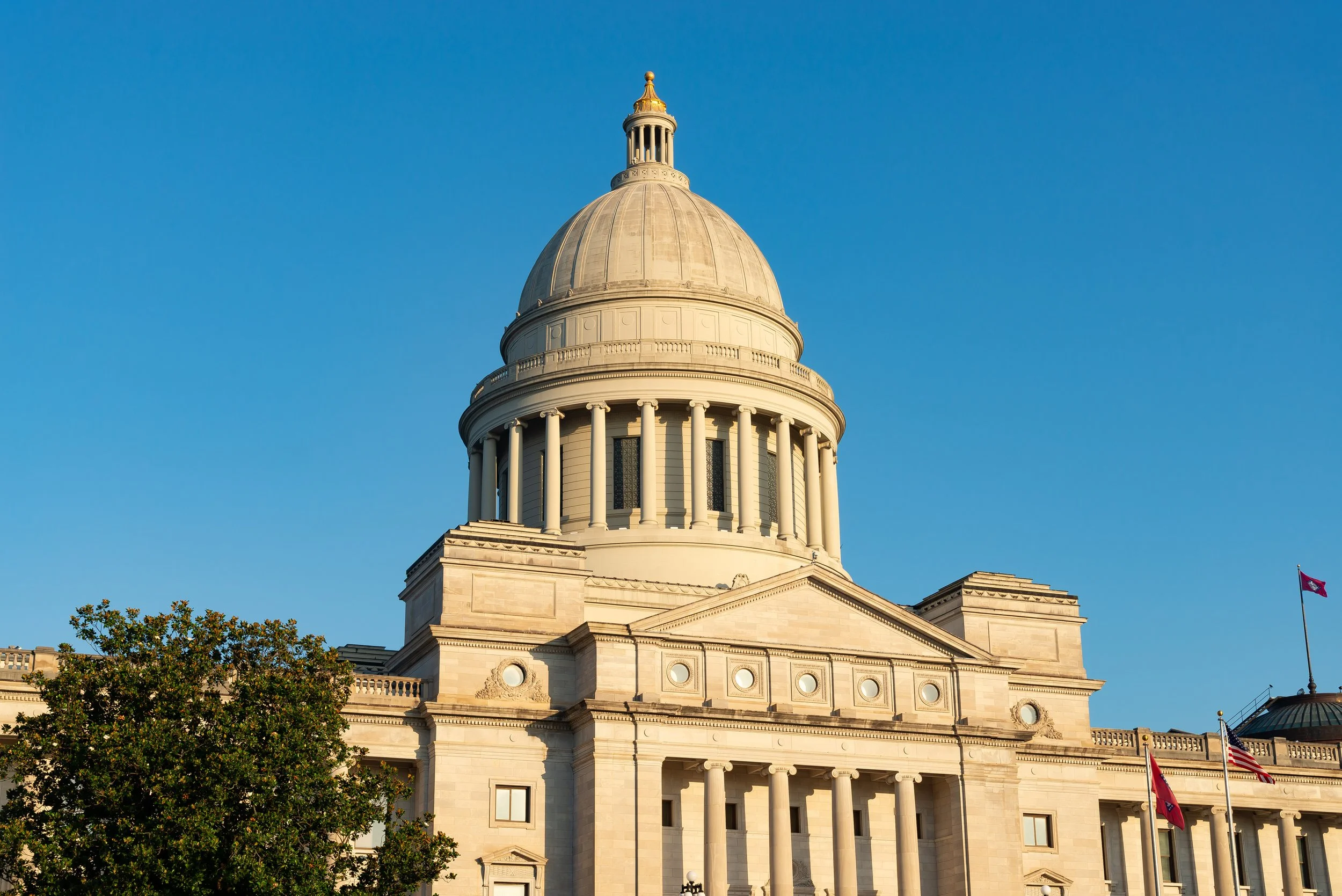
Pharmacy Benefit Manager (PBM) Legislation Tackled Ownership Restrictions, Transparency, and More in 2025
States enacted significant pharmacy benefit manager reforms in 2025, with Arkansas implementing the nation's first PBM-pharmacy ownership ban despite facing legal challenges. Massachusetts passed comprehensive licensing requirements, while Colorado and California adopted "delinking" laws prohibiting PBM compensation tied to drug prices. Utah mandated rebate pass-through mechanisms. These diverse approaches reflect growing bipartisan momentum toward curbing PBM practices affecting independent pharmacies and drug pricing transparency.

Indiana Drives on Healthcare Reform
Over the past month, arguably no Governor and Legislature have been as proactive in healthcare reform as newly elected Indiana Gov. Mike Braun (R) and Indiana’s General Assembly. In late January, the Governor issued six executive orders pertaining to healthcare access, affordability and transparency.